




-
 Personalized CustomizationTailor-made gifts, show a unique mind, suitable for various occasions.
 -
 Qualitative MaterialsSelected high quality materials, exquisite craftsmanship, to ensure that each gift is flawless
 -
 Multiple ChoicesProvide a wide range of gifts to meet the needs of individuals, businesses and festivals
 -
 Accelerated DeliveryEfficient processes ensure on-time delivery to meet your urgent needs

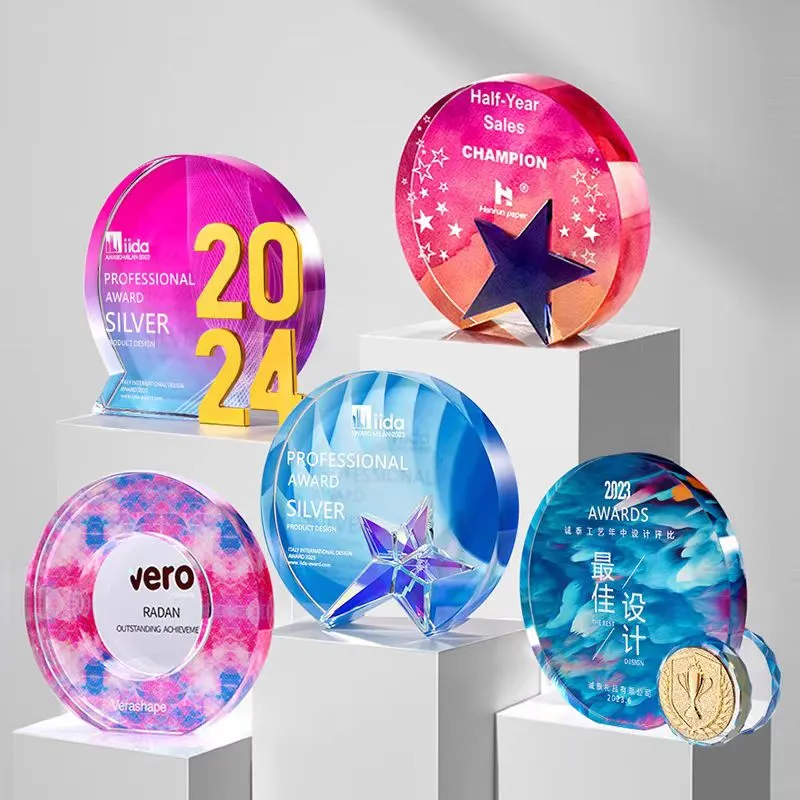
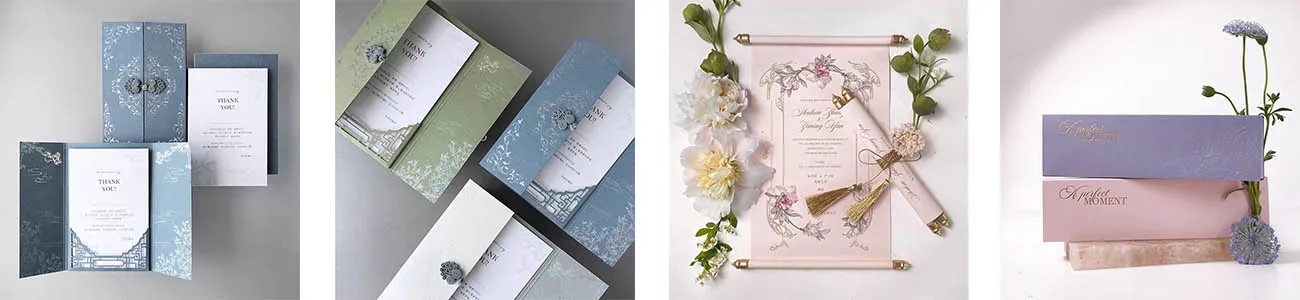
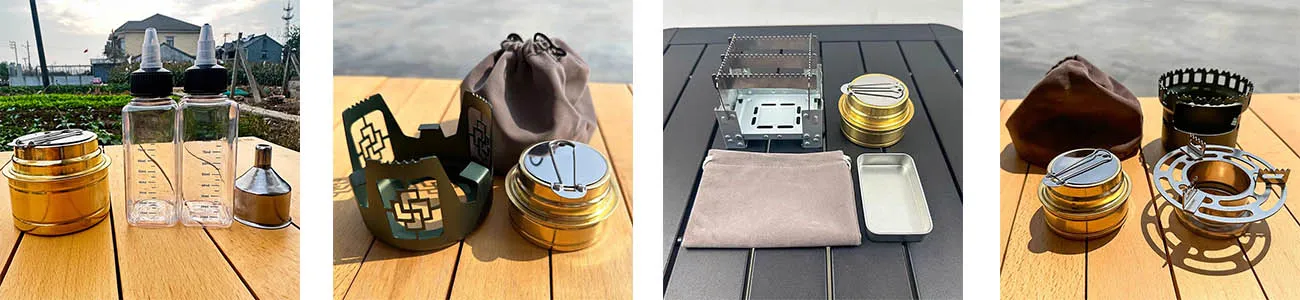

personalized wine keys bulk
Industry Trends and Market Dynamics for Key Retention Solutions The market for industrial and commercial key retention solutions, often broadly categorized under Keychains , is experiencing a significant evolution driven by demands for enhanced security, durability, and customization. Beyond mere personal accessories, these devices serve critical functions in asset management, operational efficiency, and brand representation across various B2B sectors. Current trends indicate a shift towards advanced materials, integrated smart technologies, and bespoke designs that meet stringent industry standards. The global market is witnessing an increased adoption of robust, corrosion-resistant materials suitable for harsh environments, alongside a growing emphasis on ergonomic design for daily operational use. Furthermore, sustainability and ethical sourcing of materials are emerging as key purchasing criteria for corporate clients, influencing design and manufacturing processes. Technological advancements are enabling the integration of features like RFID tracking, QR codes, and anti-tamper mechanisms, transforming simple key holders into sophisticated security and inventory management tools. This convergence of traditional utility with modern technology is redefining user expectations and expanding application scenarios from basic key organization to critical equipment management in high-stakes industries. The drive for efficiency and accountability is pushing manufacturers to innovate, offering solutions that provide not only physical security but also data-driven insights into asset whereabouts and usage patterns. Technical Specifications and Material Science The performance of industrial Keychains hinges critically on their technical specifications, encompassing material composition, structural integrity, and finishing processes. Materials commonly utilized include high-grade stainless steel (e.g., 304, 316L), titanium alloys, hardened aluminum, and specialized engineering plastics (e.g., ABS, polycarbonate) for lighter, yet durable, applications. Material Selection Parameters: Corrosion Resistance: Essential for marine, petrochemical, and outdoor applications. Stainless steel 316L offers superior resistance to chlorides. Tensile Strength: Critical for preventing deformation under load, specified in MPa or psi. Titanium alloys typically offer excellent strength-to-weight ratios. Hardness: Measured using Rockwell (HRB, HRC) or Vickers (HV) scales, dictating wear resistance. Temperature Range: Operating limits for materials exposed to extreme heat or cold, vital for aerospace or cold-chain logistics. Chemical Compatibility: Resistance to specific acids, bases, or solvents, relevant for laboratory or manufacturing environments. Here is a comparison of common materials used in the manufacturing of robust Keychains : Property Stainless Steel (316L) Titanium Alloy (Grade 5) Hardened Aluminum (6061-T6) Reinforced Polymer (ABS+PC) Corrosion Resistance Excellent (especially to chlorides) Superior Good (anodized improves) Good (chemical dependent) Tensile Strength ~570 MPa ~950 MPa ~310 MPa ~50-70 MPa Density ~8.0 g/cm³ ~4.5 g/cm³ ~2.7 g/cm³ ~1.1-1.2 g/cm³ Hardness (Rockwell B) ~80-90 HRB ~36 HRC ~60 HRB N/A (Shore D) Typical Service Life 20+ years 30+ years 15-20 years 5-10 years The selection of materials and manufacturing techniques directly impacts the longevity and performance in specific industrial environments. For instance, in petrochemical facilities, where exposure to corrosive chemicals and extreme temperatures is common, 316L stainless steel or titanium alloys are preferred for their inherent resistance and structural integrity. Precision Manufacturing Process of Industrial Keychains The production of high-performance Keychains involves a meticulous multi-stage manufacturing process designed to ensure durability, functionality, and aesthetic quality. This process leverages advanced engineering techniques and adheres to strict quality control standards. Process Flow: Material Selection and Preparation: Begins with the careful selection of raw materials, such as specific grades of stainless steel, titanium, or aluminum, based on the application's demands for strength, corrosion resistance, and weight. Materials are sourced from ISO 9001 certified suppliers and undergo initial chemical composition verification. Forming – Casting, Forging, or CNC Machining: Depending on complexity and desired properties, components are shaped. Casting: For intricate geometries, molten metal is poured into molds, then cooled and solidified. This method is cost-effective for high volumes. Forging: Metal is heated and shaped under immense pressure, enhancing grain structure and resulting in superior strength and impact resistance. Often used for high-stress components. CNC Machining: Computer Numerical Control (CNC) lathes and mills precisely cut raw material blocks into complex shapes with tight tolerances (e.g., ±0.01 mm), ideal for customized and high-precision parts. Surface Treatment: Includes processes like polishing, anodizing (for aluminum), passivation (for stainless steel to enhance corrosion resistance), electroplating (e.g., chrome, nickel), or powder coating. These treatments improve durability, aesthetics, and resistance to environmental factors. Assembly: Individual components (e.g., rings, clips, plates) are assembled. This stage may include laser welding, riveting, or mechanical fastening, ensuring robust connections for the finished Keychains . Quality Assurance and Testing: Each batch undergoes rigorous testing to meet international standards such as ISO 9001 for quality management, ASTM standards for material properties, and specific ANSI standards where applicable (e.g., for load-bearing components). Tests include tensile strength tests, salt spray corrosion tests, dimensional accuracy checks, and fatigue testing to ensure a projected service life of 15-30 years depending on material and application. Marking and Packaging: Products are marked with client logos, serial numbers, or other identifiers via laser engraving or stamping. They are then individually packaged to prevent damage during transit and storage. This controlled process ensures that each unit delivers exceptional performance, particularly in demanding sectors such as petrochemical, metallurgy, water supply & drainage, automotive, and logistics, where reliability is paramount. The focus on precision manufacturing results in advantages like enhanced energy saving (through optimized component weight) and superior corrosion resistance, contributing to reduced maintenance and replacement costs over the long term. Application Scenarios and Technical Advantages The utility of high-grade Keychains extends far beyond simple key organization, fulfilling critical roles in diverse industrial and commercial environments. Their design and material specifications are tailored to address specific operational challenges, providing significant technical advantages. Typical Application Scenarios: Petrochemical Industry: Used for securing access keys to critical valves, control panels, and hazardous material storage units. Advantages include extreme corrosion resistance to hydrocarbons and acids, non-sparking materials for explosion-prone areas, and high temperature tolerance. Metallurgy and Heavy Manufacturing: Employed for tool crib management, equipment lockout/tagout procedures, and securing heavy machinery access keys. The robust construction ensures resistance to abrasion, heavy impacts, and exposure to metal dust or lubricants. Water Supply & Drainage Systems: Securing access to pumping stations, filtration plants, and underground utility networks. Materials offer superior resistance to moisture, various water chemistries, and outdoor weathering, ensuring long-term integrity in demanding conditions. Fleet Management and Logistics: Custom key retention systems for vehicle fleets, heavy equipment, and container111 units. Integrates asset tracking features (e.g., QR, RFID) for improved security, inventory control, and operational efficiency. Durable enough to withstand constant handling and environmental exposure. Hospitality and Facility Management: Robust, tamper-proof solutions for master keys, utility closets, and guest room access. Often features elegant yet durable finishes, and enhanced security mechanisms to prevent unauthorized key duplication. Technical Advantages: Enhanced Security Protocols: Integration with proprietary locking mechanisms and serialized identification allows for granular control and audit trails, preventing unauthorized access and improving accountability. Superior Durability & Longevity: Engineered from high-tensile strength metals and advanced polymers, these devices resist wear, tear, and environmental degradation, offering a service life significantly longer than conventional alternatives. This translates to lower total cost of ownership (TCO). Corrosion and Chemical Resistance: Specialized alloys and surface treatments provide immunity to a wide array of corrosive agents, essential in industrial settings. This prevents material degradation and ensures functionality under harsh conditions. Ergonomic Design: Thoughtful design ensures ease of use, even with gloves, and reduces the risk of key loss. Balanced weight and smooth finishes contribute to user comfort and operational efficiency. Brand Integration and Customization: Offers extensive branding opportunities and bespoke design features, allowing companies to reinforce their identity while maintaining robust functionality. These advantages make advanced Keychains an indispensable asset for businesses prioritizing operational reliability, asset security, and long-term cost-effectiveness. Vendor Comparison and Competitive Analysis Selecting the right supplier for industrial Keychains requires a thorough evaluation of various factors beyond initial cost. Key considerations include manufacturing capabilities, material quality, customization options, adherence to industry standards, and after-sales support. Below is a conceptual comparison reflecting typical vendor differentiators. Feature/Criterion Premium Supplier (e.g., The Genius Gifts) Standard Supplier A Budget Supplier B Material Quality & Sourcing Certified, traceable high-grade metals (e.g., 316L SS, Ti alloy) Standard industrial-grade metals (e.g., 304 SS, lower-grade aluminum) Varied, often basic alloys or plated metals with limited traceability Manufacturing Process Precision CNC machining, advanced forging, comprehensive QC Die casting, stamping, standard machining, basic QC Basic stamping, injection molding, minimal QC Customization Capabilities Full bespoke design, material options, branding (engraving, etching), smart tech integration Limited design modifications, logo printing, standard finishes Basic color options, simple logo printing Certifications & Standards ISO 9001, ASTM, ANSI, specific industry compliance (e.g., REACH, RoHS) Often ISO 9001, basic material certifications Limited or no verifiable certifications Service Life & Warranty 15-30 years estimated, 5+ year comprehensive warranty 5-10 years estimated, 1-2 year limited warranty 1-3 years estimated, minimal or no warranty After-Sales Support Dedicated account manager, technical support, expedited replacements Standard customer service, basic troubleshooting Limited or outsourced support A premium supplier not only offers superior product quality and longevity but also provides comprehensive service and support, which translates into greater reliability and lower operational risks for B2B clients. Companies like The Genius Gifts specialize in tailored solutions, ensuring that the Keychains meet specific operational requirements and integrate seamlessly into existing security and asset management frameworks. Customized Solutions and Application Case Studies The unique demands of industrial environments necessitate highly customized Keychains that go beyond off-the-shelf options. Our expertise lies in developing bespoke solutions that integrate seamlessly with client-specific operational protocols and branding requirements. Customization Capabilities: Material Specification: From high-strength titanium for aerospace applications to marine-grade stainless steel for offshore platforms, materials are chosen for optimal performance in specific corrosive or extreme temperature conditions. Design and Form Factor: Tailored shapes, sizes, and attachment mechanisms (e.g., specialized carabiners, quick-release clasps) designed for integration with specific equipment or security systems. This includes ergonomic considerations for repeated use in demanding environments. Integrated Technologies: Embedding RFID chips for asset tracking, QR codes for digital documentation, or specialized magnetic/NFC tags for restricted access systems. These integrations enhance operational security and data capture. Branding and Serialization: Precision laser engraving, chemical etching, or durable color fills for company logos, safety warnings, unique serial numbers, or operational instructions. Application Case Studies: Case Study 1: Large-Scale Petrochemical Refinery Challenge: Managing access to hundreds of critical control valves and hazardous material storage units, requiring extreme corrosion resistance and traceability in an environment exposed to high temperatures and corrosive chemicals. Solution: We designed and supplied custom 316L stainless steel Keychains with integrated RFID tags. Each unit was laser-engraved with a unique asset ID and a specific safety instruction. The robust construction ensures integrity in harsh conditions, while RFID allows for instant digital tracking of key issuance and return, enhancing safety compliance and operational efficiency. Outcome: Reduced incidents of unauthorized access by 40%, streamlined key management process by 60%, and significantly improved audit capabilities. Case Study 2: International Logistics and Shipping Company Challenge: Managing keys for a diverse fleet of thousands of vehicles, shipping container111s, and warehouse machinery across multiple global hubs, requiring durable, identifiable, and easily manageable solutions. Solution: We provided custom anodized aluminum Keychains , color-coded by vehicle type and facility. Each keychain was engraved with a QR code linked to a digital asset management system, enabling rapid identification and check-in/check-out procedures. The lightweight yet robust design withstands constant handling and varying climates. Outcome: Achieved a 25% reduction in lost or misplaced keys, improved operational flow by 30% through faster asset assignment, and enhanced overall fleet security. Trustworthiness and Support for Your Investment Our commitment to quality and customer satisfaction underpins every product and service we offer. We understand that for B2B clients, trustworthiness extends beyond product specifications to comprehensive support and transparent operational policies. Frequently Asked Questions (FAQ): Q: What materials are available for custom Keychains? A: We offer a wide range including 304/316L stainless steel, various titanium alloys, hardened aluminum, brass, and engineering-grade polymers, chosen based on your specific application requirements for strength, corrosion resistance, and weight. Q: What is the typical lead time for a custom order? A: Lead times vary depending on the complexity of design, material availability, and order volume. For standard custom orders, expect 4-6 weeks from final design approval. Expedited options are available upon request. Q: Can you integrate smart technologies like RFID or NFC? A: Yes, we specialize in integrating various smart technologies to enhance functionality, tracking, and security. Please discuss your specific needs with our technical sales team. Q: What are your quality assurance standards? A: We adhere to ISO 9001 certified quality management systems. All products undergo rigorous multi-stage inspections, including material verification, dimensional accuracy checks, and performance testing to ensure compliance with relevant ASTM and ANSI standards. Lead Time and Fulfillment: Our streamlined order processing and advanced manufacturing capabilities enable efficient fulfillment. Typical lead times for custom Keychains range from 4 to 8 weeks, depending on design complexity, material sourcing, and order volume. For large-scale projects or specialized requirements, a detailed project timeline will be provided during the consultation phase. We maintain robust supply chain logistics to ensure timely delivery and offer global shipping options. Warranty Commitments: We stand behind the quality and durability of our products with a comprehensive 5-year warranty against manufacturing defects and material failures under normal operating conditions. This commitment reflects our confidence in our engineering and production processes, providing our clients with long-term peace of mind and protection for their investment in industrial Keychains . Extended warranty options are available for specific project requirements. Customer Support and After-Sales Service: Our dedicated customer support team provides expert assistance throughout the entire lifecycle of your product. From initial consultation and design to post-purchase support, our technical specialists are available to address any inquiries, provide troubleshooting, and facilitate maintenance or replacement services. We offer personalized account management to ensure seamless communication and responsive solutions tailored to your ongoing operational needs. References International Organization for Standardization (ISO). ISO 9001:2015 Quality management systems – Requirements. American Society for Testing and Materials (ASTM) International. Various standards for metallic and non-metallic materials. National Institute of Standards and Technology (NIST). Materials Science and Engineering Research. ASM International. Handbook of Materials Data. European Chemicals Agency (ECHA). REACH and RoHS Regulations.


-
Who is The Genius Gifts and what services do you offer?The Genius Gifts is a woman-owned business founded by two female gift lovers. Explore our gift marketplace to find a gift for any occasion, from birthdays, to work anniversaries, to new baby gifts and gifts for the holidays. Gifts for Good also offers custom gift boxes, branded products.
-
Shipping INFO?For bulk orders–including custom gift boxes and swag—we have a trusted third agent who can deliver exceptional gifts to your employees and clients in any country around the world.
-
What is The Genius Gifts's Mission and Vision?Our mission is for the world to help bring joy and peace to people and the planet through gift giving.
we can create personalized gifts for our customers to convey the heart.
Through unique design and fine craftsmanship,
our gifts have become testimonies of important moments for many customers.


And Gratitude
impactful products, providing gift plans for employees, customers, and family and friends.
Let's take a look at the real reviews from our customers


-
 2026-06-15 22:34The Art of Bespoke Bridal Jewellery_ Craftsmanship Beyond Mass Production When it comes to celebrating a moment as special as a wedding, the details matter. Custom pieces, su
 -
2026-06-15 22:08law enforcement personalized gifts Personalized gifts for law enforcement professionals are becoming increasingly popular due to their
-
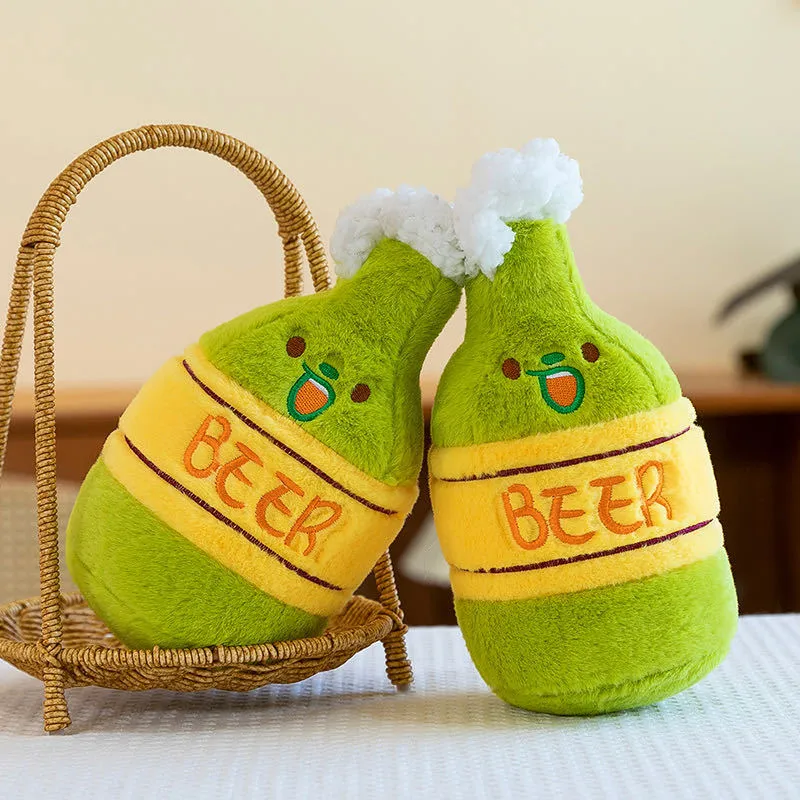
2026-06-15 21:08custom plush toys wholesale Custom plush toys have become an essential product for various businesses, from promotional giveaway
-
2026-06-15 21:01The Importance of Custom Stationery in a Digital Age In an era where digital communication reigns supreme, the art of handwritten communication has seen

Start Your Personalized Gift Journey
 TheGeniusGifts@outlook.com
 China:3F, Building 6, 67 Chuangye Road, Zhuankou Economic and
Technological Development Zone, Wuhan,Hubei,China
China:3F, Building 6, 67 Chuangye Road, Zhuankou Economic and
Technological Development Zone, Wuhan,Hubei,China- U.S.A:Coralwood Ct. Rancho Cucamonga Ca 91737